Start Your SMMA Course Today
Thousands of people launch a social media marketing agency every year with zero marketing background. No fancy degree. No corporate resume. What separates the ones who hit $10,000 a month from the ones who quit after sixty days usually isn't talent. It's whether they followed a real process or just winged it. That's exactly where the right SMMA courses come in, giving beginners a map instead of a guessing game.
Why SMMA Courses Build Real Agencies
A good SMMA course doesn't just hand you theory. It hands you the exact sequence, niche selection, outreach, pricing, delivery, that other agency owners used to get paid clients. Pair that structure with consistent effort and normal people start producing results that look anything but normal. This section breaks down who actually benefits from this kind of training and what the results tend to look like once someone commits.
Who Should Take an SMMA Course
This path fits three types of people especially well: side-hustlers who want income outside a 9-to-5, career switchers tired of trading hours for dollars, and complete beginners who've never run a business but are willing to learn. You don't need design skills, coding knowledge, or a marketing degree. You do need two or three hours a week and the discipline to follow a checklist instead of chasing shiny objects. If that sounds like you, digital marketing agency training will feel less like school and more like a shortcut.
Real Student Results and Income Proof
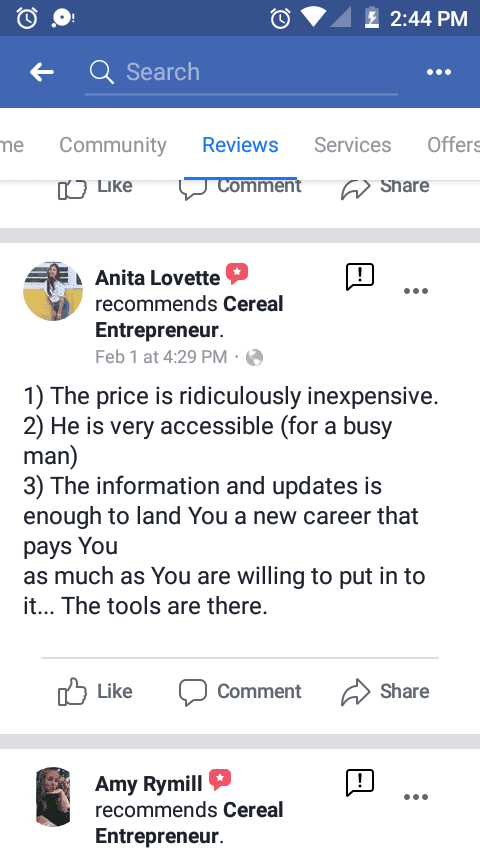
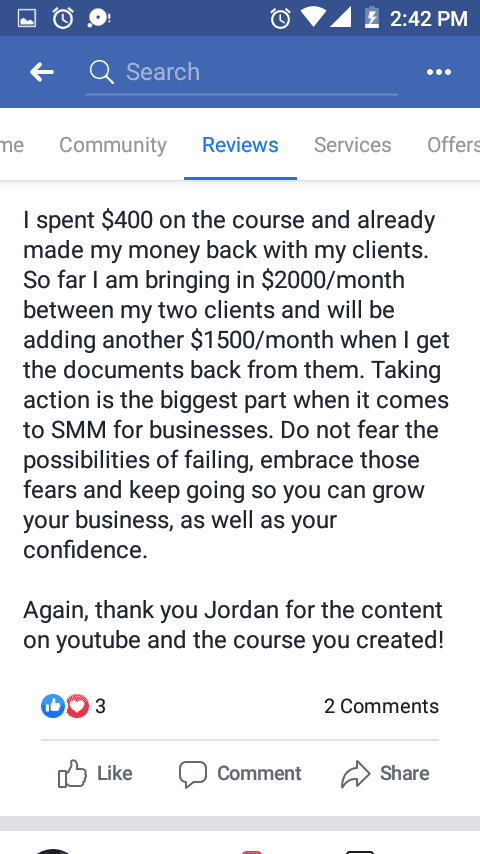
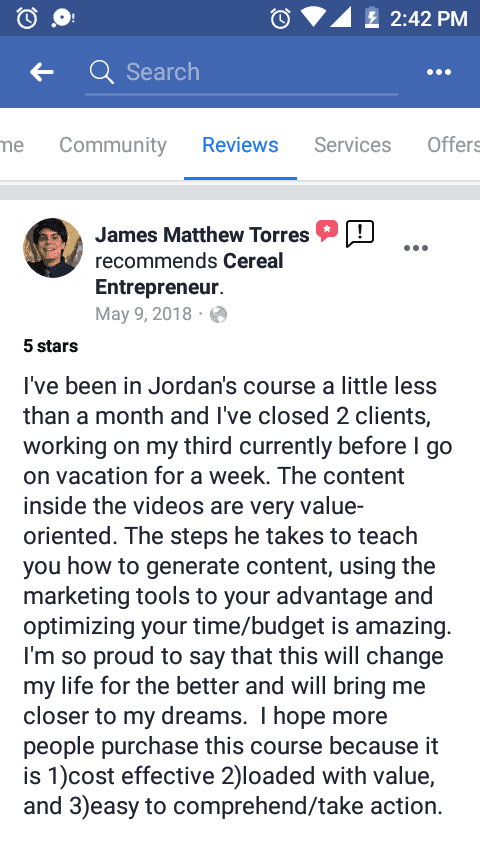
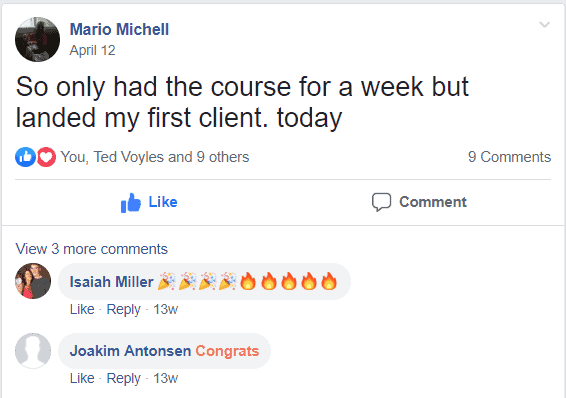
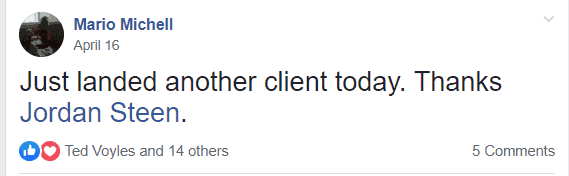
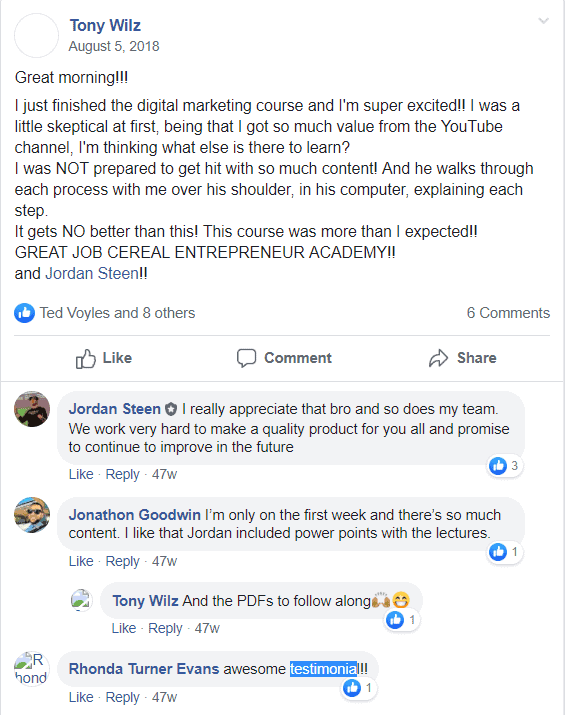
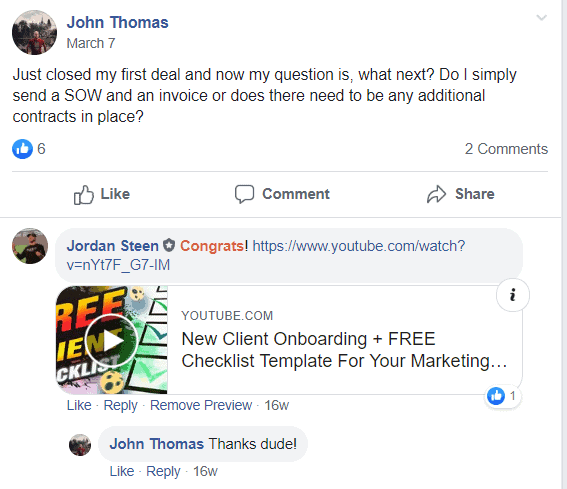
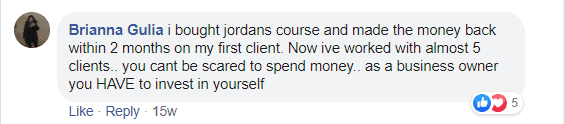
Numbers mean more than promises. Students who complete a structured SMMA course and actually apply the outreach framework typically land their first paying client within 30 to 60 days, often in the $500 to $1,500 per month range per client. Agencies that stack three or four clients at that rate cross five figures monthly well before hitting the one-year mark. The pattern holds across niches, from local gyms to e-commerce brands, because the fundamentals of landing and retaining clients don't change much from industry to industry.
Step-by-Step Guide to Starting Your Agency
Starting a marketing agency isn't complicated, but skipping steps is exactly how most people stall out. Follow this order and you'll avoid the most common early mistakes.
- Pick a niche and a core service you can deliver well.
- Register your business and separate personal from professional finances.
- Build a simple offer and a lightweight portfolio before you ever pitch a client.
Choosing Your Niche and Services
Niche selection is the step most beginners rush, and it costs them months of wasted outreach. Pick an industry you understand or find genuinely interesting, real estate, dentists, local restaurants, fitness studios, and commit to one core service like Facebook ads management or content posting. Narrow positioning makes your pitch sharper and your results easier to prove, which is exactly what turns a cold lead into a paying client.
Setting Up Your Business Legally (LLC Guide)
You don't need a lawyer on retainer, but you do need basic protection. Forming an LLC separates your personal assets from business liabilities and takes most people under an hour using an online filing service. After that, open a dedicated business bank account, grab a simple invoicing tool, and set aside roughly 25 to 30 percent of revenue for taxes. None of this is glamorous, but skipping it is how beginners end up with tax headaches six months in.
Building Your First Offer and Portfolio
Clients don't buy services, they buy outcomes. Frame your offer around a specific result, "20 qualified leads per month" beats "social media management" every time. If you have zero case studies yet, build one or two mock campaigns or offer a discounted trial run to a local business in exchange for a testimonial. That one piece of proof will do more for your pitch than any slide deck.
Landing Clients and Pricing Your Services
Getting clients and pricing your work correctly are the two skills that make or break an agency's first year. Master both and the rest of the business becomes manageable.
Outreach Methods That Actually Work
Cold email and Instagram DMs still convert when the message is specific. Skip generic pitches like "I can grow your social media" and instead reference something concrete about the business, a recent post, a gap in their content, a competitor doing better. A simple structure works well: compliment, observation, offer, soft call to action. Send 20 to 30 personalized messages daily and expect a 5 to 10 percent reply rate from warm, well-targeted lists.
Pricing Models: Retainer vs. Performance-Based
| Model | Best For | Typical Range |
|---|
| Flat Retainer | Predictable monthly income | $500 to $3,000/month |
| Performance-Based | Agencies confident in results | 10 to 20% of ad spend or revenue share |
| Hybrid | Reducing client risk while protecting margin | Lower base fee plus bonus structure |
Common Client Objections and How to Handle Them
- "It's too expensive." Reframe around cost of inaction, not just price.
- "We tried this before and it didn't work." Ask what specifically failed, then show how your process differs.
- "We need to think about it." Offer a low-risk trial period instead of a long-term commitment.
Best Free Tools and Resources for Your Agency
You don't need a massive budget to run a professional-looking agency. A handful of tools cover almost everything a beginner needs.
All-in-One CRM and Automation Software
A CRM keeps leads, client communication, and invoices in one place instead of scattered across email threads and spreadsheets. Look for one that includes landing page building and automated follow-up sequences, since chasing leads manually eats hours you don't have as a one-person agency.
Hiring Your First Virtual Assistant
Once you land two or three clients, delivery time starts eating into outreach time, and that's the moment to hire help. A part-time VA, often starting around $50 a week for basic tasks like content scheduling or reporting, frees you up to focus on sales. Start with clearly defined, repeatable tasks before handing over anything client-facing.
Avoiding Common SMMA Mistakes
Most agencies that fail don't fail because the model is broken. They fail because of predictable, avoidable errors in the first six months.
Why Most New Agencies Fail in the First 6 Months
- Trying to serve every niche instead of picking one.
- Underpricing out of fear, then burning out delivering too much for too little.
- Ghosting outreach after a few days instead of following up consistently.
- Skipping contracts and scope documents, leading to scope creep and client disputes.
Red Flags When Choosing a Mentor or Course
Not every course delivers on its promises. Be cautious of programs that show only income screenshots with no process explanation, pressure you into buying within minutes through countdown timers, or refuse to answer basic questions before purchase. A legitimate SMMA course will explain its curriculum clearly, show verifiable student outcomes, and offer some form of support or community after you enroll.
Frequently Asked Questions
How much does it cost to start an SMMA?
Most people start between $0 and $500. That covers LLC filing, a basic CRM, and maybe a template for outreach. You don't need paid ads or fancy software to land your first client.
Is SMMA still profitable in 2025?
Yes, though saturation has pushed generalist agencies to niche down harder than they did five years ago. Specialists who solve one problem for one industry still land clients consistently.
Do I need experience to start a social media marketing agency?
No. Most successful agency owners started with no marketing background and learned through structured training and by doing the work for their first few clients.
How do I get my first SMMA client with no experience?
Offer a discounted or free trial to a local business in exchange for a testimonial and case study, then use that proof in your outreach to paying prospects.
What's the difference between SMMA and freelancing?
Freelancers typically sell their own time and skill directly. An agency builds systems and eventually hires out delivery, which means income isn't capped by how many hours you personally work.